Home Glow Lamps April 3, 2026 11 min read
Solar lighting for Africa is one of the fastest-growing markets in the commercial lighting industry today.
Why Solar Lighting for Africa Is a Smart Business Investment
Across Sub-Saharan Africa, hundreds of millions of people experience daily power outages or have no grid connection at all. In Nigeria, Ghana, Kenya, Tanzania, Ethiopia, and beyond, solar lighting is not a lifestyle choice — it is a practical necessity for homes, small businesses, lodges, farms, and community spaces.
For wholesale buyers and distributors, this creates a durable, high-demand opportunity. Solar lights sell year-round, have repeat purchase cycles (batteries, replacements), and command strong margins when buyers source directly from manufacturers rather than through multiple intermediaries.
Unlike many consumer electronics categories, solar lighting demand in Africa is driven by genuine utility need — making it far more resilient to economic cycles than discretionary product categories.
The demand for solar lighting for Africa continues to grow as governments and businesses invest in off-grid energy solutions.
Key Markets and What They Need
Africa is not one market. Buyer needs, price sensitivity, and product preferences vary significantly by region. Here is a practical overview for sourcing decisions.
West Africa (Nigeria, Ghana, Senegal)
High demand for emergency backup lights and solar flood lights. Power outages are frequent and extended. Buyers prioritise battery capacity and dual-mode (solar + AC charging) products.
East Africa (Kenya, Tanzania, Uganda)
Strong market for solar camping lights and portable solar lanterns driven by eco-tourism, safari lodges, and rural household use. Quality and portability are key.
Southern Africa (South Africa, Zambia, Zimbabwe)
Growing demand for solar flood lights for commercial and residential security. Load-shedding has driven significant uptake across all income segments.
North Africa (Egypt, Morocco)
More infrastructure-stable but strong project demand for hotel and resort outdoor lighting. Solar wall lights and decorative solar fixtures are popular here.
When selecting products, buyers should prioritise solar lighting for Africa that meets local voltage requirements and withstands high-temperature environments.
Product Category Guide: What to Stock for Africa
High demand
Solar Emergency Lights
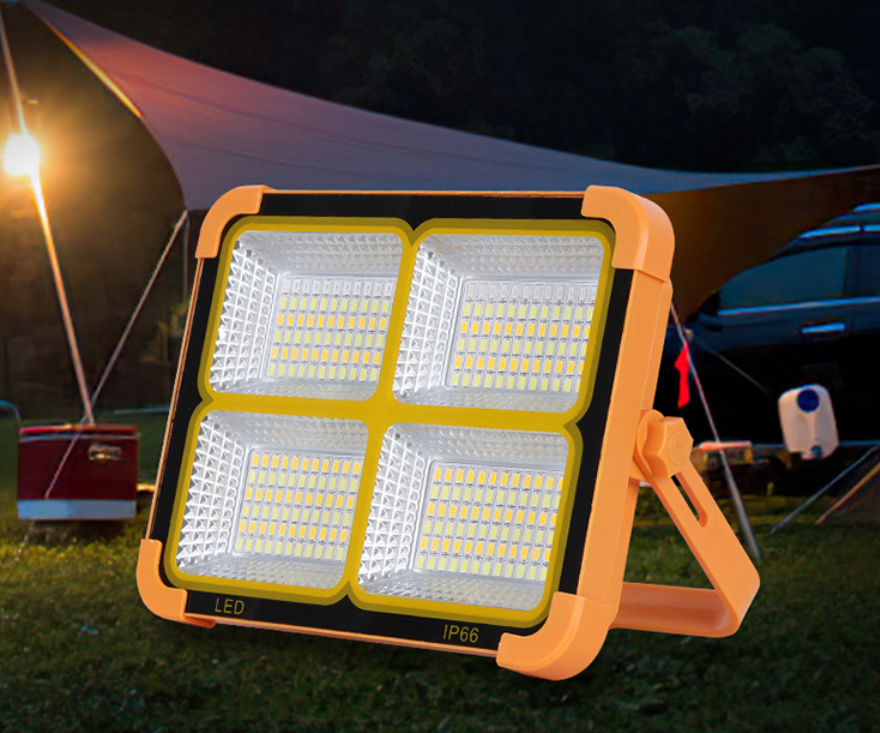
Dual-mode charging (solar panel + AC mains when available). Auto-on during power cuts. Essential product for retailers in Nigeria, Ghana, South Africa. Fast-moving SKU with strong repeat purchase.
Growing fast
Solar Camping Lights
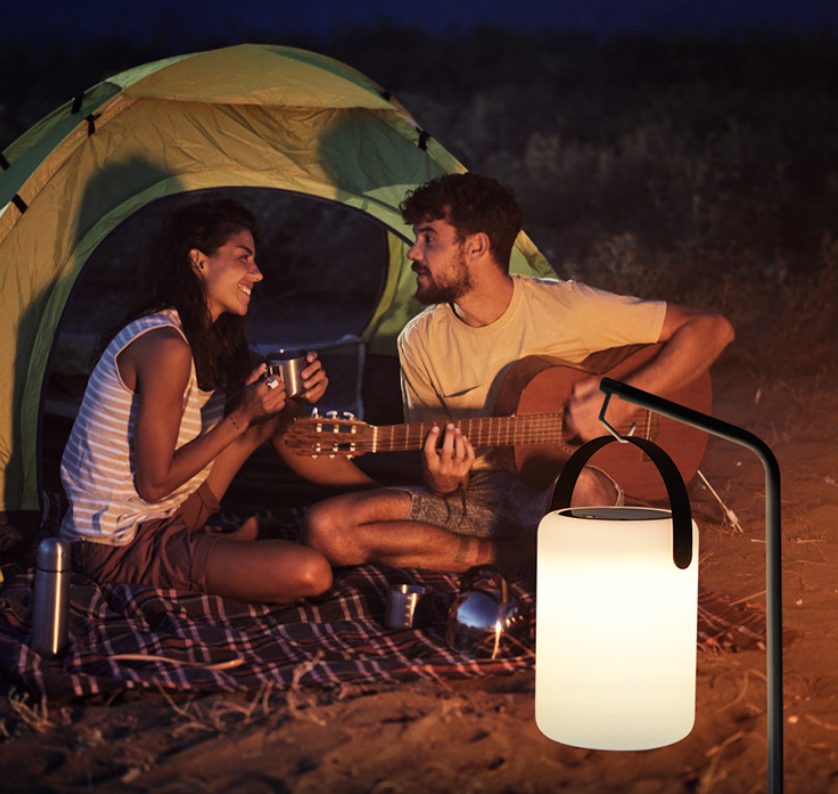
Portable, USB rechargeable, lightweight. Ideal for safari and eco-lodge operators in Kenya, Tanzania, and Botswana. Also popular with NGOs and humanitarian procurement teams.
High margin
Solar Flood Lights
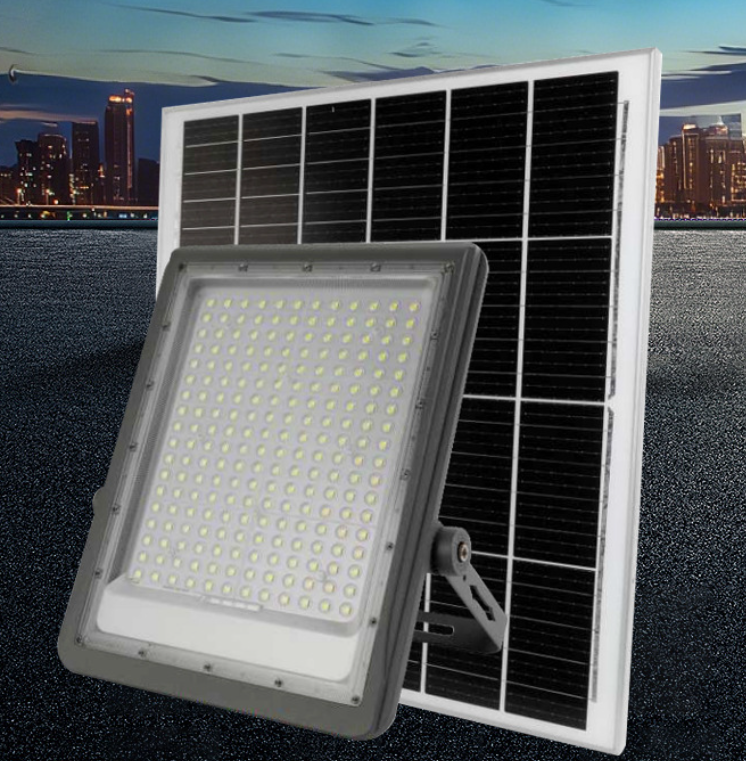
High-lumen output for security, car parks, warehouses, petrol stations, and hotel exteriors. Motion sensor models command premium pricing. Strong demand across commercial and project buyers.
What Specs Matter Most for the African Climate
The African climate creates specific product requirements that buyers should verify before placing orders. Hot temperatures, intense UV exposure, dust, and in many regions, heavy seasonal rainfall all stress components harder than temperate climates.
Battery: Capacity and heat tolerance
Battery capacity is the number one performance complaint in hot climates. Lithium iron phosphate (LiFePO4) batteries perform significantly better than standard lithium-ion in high ambient temperatures — they degrade slower and maintain capacity longer. For premium SKUs targeting commercial buyers, this is worth specifying. For price-sensitive retail, standard Li-ion with a minimum 2000mAh for small lights and 10,000mAh+ for flood lights is a reasonable baseline.
Solar panel: High efficiency in direct sun
Most of Africa receives 5–7 peak sun hours per day — considerably more than Northern Europe. This means even a modest panel will charge effectively. Focus less on panel wattage and more on the quality of the panel-to-battery charging circuit, which affects longevity. Monocrystalline panels are preferred for their compact size and consistent output.
Weatherproofing: IP65 minimum for all outdoor products
Dust ingress is as important as water resistance in many African markets. IP65 is the practical minimum for any outdoor product. For coastal markets (Lagos, Mombasa, Dar es Salaam), corrosion-resistant housing adds meaningful product life.
| Spec | Minimum for Africa | Recommended for Commercial |
|---|---|---|
| IP Rating | IP65 | IP66 or IP67 |
| Battery Type | Li-ion | LiFePO4 for premium range |
| Panel Type | Polycrystalline | Monocrystalline |
| Operating Temp | -10°C to 50°C | -10°C to 60°C |
| Warranty | 1 year | 2 years minimum |
Pricing Strategy for Wholesale Buyers
The African market spans a wide range of purchasing power. Successful distributors and retailers typically stock two tiers: a volume-driven entry-level range for household and small retail buyers, and a higher-margin commercial range for project buyers, hotel chains, and NGO procurement.
The most common sourcing mistake we see from new buyers: ordering only the cheapest SKUs to maximise margin, then losing repeat business when products fail within months. Selecting products with honest specs and reliable batteries creates customer loyalty that drives long-term volume.
How to Place Your First Wholesale Order: Step by Step
- Define your market segment: household retail, project/commercial, hospitality, or NGO. Each has different spec priorities and acceptable price points.
- Request samples of 2–3 shortlisted SKUs. Test solar charging time, light output duration, and sensor performance under local sun conditions before committing to full orders.
- Confirm battery spec and housing material with your supplier. Ask specifically about operating temperature range and whether the product has been sold in similar climates before.
- Negotiate pricing tiers at 50, 100, and 500 pcs. Plan your initial order at a tier where unit economics work, even if volume is modest at first.
- Discuss packaging. Retail-ready cartons with clear product images and specs in English (and local languages where relevant) improve sell-through at market stalls and independent hardware stores.
- Confirm shipping options. Air freight (5–10 days) works well for first orders and urgent replenishment. Sea freight (25–40 days to West and East African ports) is more cost-effective for bulk repeat orders.
Solar Lights for Hotel, Lodge & Hospitality Projects in Africa
Africa’s hospitality sector — from Nairobi business hotels to Tanzanian safari lodges to Cape Town boutique guesthouses — is a strong and growing buyer segment for solar lighting. Key advantages that resonate with hotel procurement teams across the continent:
No wiring required, dramatically reducing installation cost and time in remote lodge locations. Zero electricity running cost for exterior areas — a genuine operational saving where grid electricity is expensive or unreliable. Modern solar flood lights and wall lights are now aesthetically comparable to wired alternatives, satisfying design requirements at upscale properties. Reliable performance with quality products reduces maintenance burden at remote locations.
Working with a reliable supplier ensures your solar lighting for Africa orders arrive on time, fully certified, and ready for immediate resale.
Frequently Asked Questions
What is the minimum order quantity?
MOQ starts from 20 pcs per SKU. Mixed product orders can be arranged for buyers testing multiple lines before scaling up.
Can products be customised with my brand?
Yes. OEM packaging and custom branding are available from 100 pcs per SKU. Product customisation (colour, spec adjustments) available for larger volumes. Contact us to discuss your requirements.
Do you ship directly to African countries?
Yes. We ship to major ports including Lagos, Accra, Mombasa, Dar es Salaam, Durban, and others. We can assist with shipping documentation. Import duties and local customs clearance are the buyer’s responsibility — we recommend working with a local clearing agent.
What payment methods do you accept?
We accept T/T bank transfer, Western Union, and can discuss payment terms for repeat buyers with established order history. Standard terms for new buyers are 30–50% deposit with balance before shipment.
What if products arrive damaged or have quality issues?
We document all shipments with photos before packing. Claims for damage in transit should be supported by photos on arrival. Quality issues within the warranty period are handled case by case — we stand behind our products.
Whether you are a distributor, retailer or project contractor, sourcing solar lighting for Africa has never been more commercially viable.
The Bottom Line
Solar lighting in Africa is not a trend. It is a structural market driven by the continent’s energy reality and its rapid economic development. For distributors and retailers building their product mix, solar emergency lights, camping lights, and flood lights offer strong and durable demand, good margins when sourced well, and genuine value for end customers.
Whether you are supplying lodges in Kenya, retailers in Ghana, or contractors in Nigeria — solar lighting for Africa is a category worth investing in now.
Home Glow Lamps works with small and mid-sized buyers who want reliable products, honest specifications, and a supplier that communicates clearly. Low MOQs, OEM options, and direct shipping to African ports make it straightforward to get started.
Get a quote or request samples for your market
Tell us your target country, product category, and rough volume — we’ll come back with pricing and recommendations within 24 hours.Contact Us for a Quote