
UKCA vs CE for Lighting Products: Which Mark Do You Actually Need?
Since Brexit, lighting exporters have been asked the same question by UK buyers: do the lamps need a UKCA mark, or is CE enough? The short answer has changed more than once. This guide explains the UKCA vs CE position for lighting products as it stands in UK government guidance, and what else UK buyers still ask for. Rules are updated regularly, so confirm the current version before you ship.
01 · UKCA vs CE: The Short Answer
UKCA (UK Conformity Assessed) was created for Great Britain after Brexit. CE remains the mark for the EU. For most lighting products, UK government guidance published in March 2026 lets businesses use either mark to sell in Great Britain, covering electrical safety, electromagnetic compatibility, RoHS, and ecodesign. Northern Ireland, however, follows EU rules and needs CE.
| Market | CE Mark | UKCA Mark |
|---|---|---|
| Great Britain (England, Scotland, Wales) | Accepted for most lighting products | Accepted |
| Northern Ireland | Required | Not enough on its own |
| European Union | Required | Not recognised |
02 · What Each Mark Declares for Lighting
Both marks are a manufacturer’s declaration that the product meets the legal safety and environmental rules of that market. For lamps and luminaires, four areas matter most.
| Area | EU (CE) | Great Britain (UKCA or CE) |
|---|---|---|
| Electrical safety | Low Voltage Directive | Electrical Equipment (Safety) Regulations 2016 |
| EMC | EMC Directive | Electromagnetic Compatibility Regulations 2016 |
| Hazardous substances | RoHS Directive | UK RoHS Regulations |
| Energy efficiency | EU ecodesign and energy labelling | GB ecodesign and energy information rules |
Read the official GOV.UK table of product marking approaches for the sector-by-sector position.
03 · When UKCA Is Still Worth Considering
CE is accepted, but there are cases where a UK buyer may still prefer UKCA. UK guidance notes that CE-marked products following EU harmonised standards do not automatically get a presumption of conformity under UK law; only UKCA products that follow Great Britain designated standards do. In practice this matters in a few situations:
- A UK retailer or contractor writes UKCA into its supplier requirements or tender documents
- A product relies on standards where the GB and EU versions differ
- You want one clear UK-specific file for long-term UK customers
04 · What CE Does Not Cover: Other UK Requirements
Passing the UKCA vs CE question does not finish the job. UK buyers will also check items that sit outside the conformity mark itself.
| Item | What to Check |
|---|---|
| Energy label | Light sources may need a UK-version energy label rather than the EU one; confirm current rules |
| Importer details | UK law requires economic operators to be identified; see the GOV.UK roles and responsibilities guidance |
| Declaration of conformity | Should reference the relevant UK regulations if you declare for Great Britain |
| Plugs | UK mains plugs are Type G (BS 1363), used on table lamps and plug-in fittings |
| Lamp caps | Bayonet B22 is common in UK homes, alongside E27, E14, and GU10 |
| Waste and packaging | WEEE and packaging obligations apply separately |
05 · Which Lighting Categories Are Affected
All mains-powered fixtures fall under the same rules, but the paperwork emphasis differs by category.
| Category | UK Compliance Note |
|---|---|
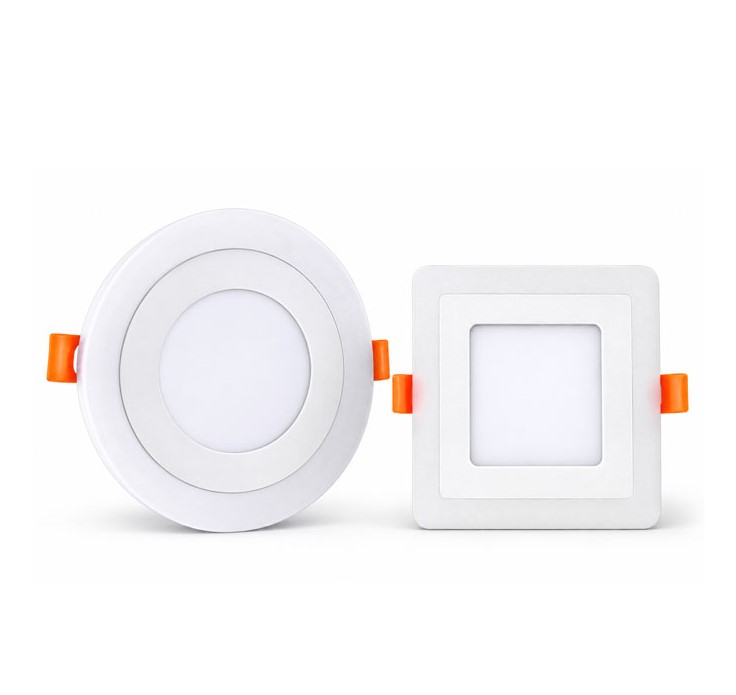
| LED Panel Lights | Common in UK offices and schools; buyers often ask for full test reports |
| Spot Lights & Downlights | Check fire rating and bathroom IP rating for the installation zone |
| LED Ceiling Lights | Integrated LED drivers: confirm EMC and safety declarations |
| Wall Lights | Outdoor models need a suitable IP rating as well as the conformity mark |
| Pendant Lights | Socket-based models: lamp cap type matters as much as the mark |
06 · A Quick Compliance Checklist for UK Orders
- Confirm the destination: Great Britain, Northern Ireland, or both
- Keep CE documents and test reports for the exact model, since one certificate does not cover other products
- Ask the buyer whether their contract requires UKCA specifically
- Set UK plug type, lamp cap, voltage (230V), and labelling before production
- Prepare the technical file, declaration of conformity, and importer details in advance; our wholesale supplier service page explains the support we offer
07 · Final Takeaway
On the UKCA vs CE question, most lighting products can enter Great Britain with either mark, so valid CE documents are usually enough to start. Add UKCA only when a UK customer asks for it, and always keep CE for the EU and Northern Ireland. The bigger risk is usually the details around the mark: energy labels, importer information, plugs, and lamp caps. For more export tips, browse our lighting guides, or learn more about our wholesale LED lighting team.
Selling lighting to the UK?
Tell us your target market and product list. We will confirm which documents and specifications are available for each model.
Get a Wholesale Quote →