Private Label Lighting for European Retailers
European shoppers compare lighting prices in seconds, and big-brand fixtures are easy to price-match online. Private Label Lighting gives independent retailers, DIY chains, and e-commerce brands a way out: a product line under your own name, with your own packaging and margin structure. This guide covers what you can customize, what EU rules you inherit when your name is on the box, and how to brief a supplier.
01 · Why European Retailers Choose Private Label Lighting
Selling a famous brand means competing on price with every other seller of the same item. A private label range is a product only you stock, so there is nothing identical to undercut. Retailers typically gain three things: a higher and more stable margin, control over the design and specification, and a consistent brand across the shop floor and online listings.
The trade-off is responsibility. Once your brand name goes on the product, you are no longer just a reseller. EU law generally treats the company that markets a product under its own name as the manufacturer, with the compliance duties that come with it. We cover those in section 03.
02 · Four Levels of Customization
Not every project needs a fully custom design. Most retailers start at level one or two and move up once the first range sells.
| Level | What Changes | Commitment |
|---|---|---|
| 1 · Packaging only | Your logo, box design, and manual on an existing model | Low MOQ, fastest start |
| 2 · Branding + spec tweaks | Logo on the product plus choice of CCT, wattage, or finish | Moderate MOQ |
| 3 · Custom configuration | Driver type (e.g. dimmable), voltage, socket, or accessories adapted | Higher MOQ, sampling required |
| 4 · Exclusive design | New shape, tooling, or exclusive colorway | Highest MOQ, longest lead time |
03 · EU Compliance: What Changes When Your Name Is on the Product
Your supplier can supply test reports, but under private label the legal responsibility sits with the brand owner or the EU-based importer. These are the main items European retailers should have in place before shipping; rules are updated regularly, so confirm the current version with your compliance provider.
| Requirement | What It Covers |
|---|---|
| CE marking | Electrical safety (Low Voltage Directive), electromagnetic compatibility (EMC), plus declaration of conformity and technical file |
| RoHS | Restricts hazardous substances in electrical and electronic equipment |
| Ecodesign & energy label | Energy-efficiency rules for light sources; light sources need an energy label and a registration in EPREL, the EU product database |
| GPSR | General Product Safety Regulation, in force since 13 December 2024: an EU responsible person, traceability details, and safety information on the product |
| WEEE | Producer registration and take-back obligations for electrical waste, handled per country |
Luminaires themselves do not carry an energy label, but the bulbs or LED modules supplied with them can. Your supplier should state clearly which parts of a fixture count as light sources. For the UK, which is outside the EU, a separate conformity mark (UKCA) applies.
04 · Specifying Private Label Lighting for the European Market
Mains in most of Europe is 230V at 50Hz, so drivers and motors should be specified accordingly. Beyond voltage, details that catch new brands out are socket type, plug type, and instruction language.
| Spec | Typical European Choice |
|---|---|
| Voltage | 230V / 50Hz |
| Sockets | E27 (standard) and E14 (small); G9 and GU10 for spot and decorative lamps |
| Plugs (table lamps) | Type C / Type F (Schuko), country-dependent |
| Color temperature | 2700K–3000K for homes, 4000K for kitchens and offices |
| Manuals & labels | Local language per target country, plus WEEE symbol |
05 · Best Categories to Start With
| Category | Why It Suits Private Label |
|---|---|
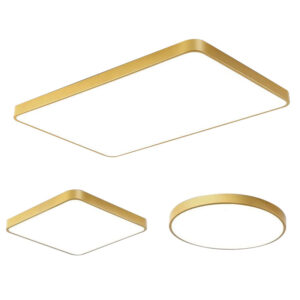
| LED Ceiling Lights | High volume, simple driver, easy to adapt finish and CCT |
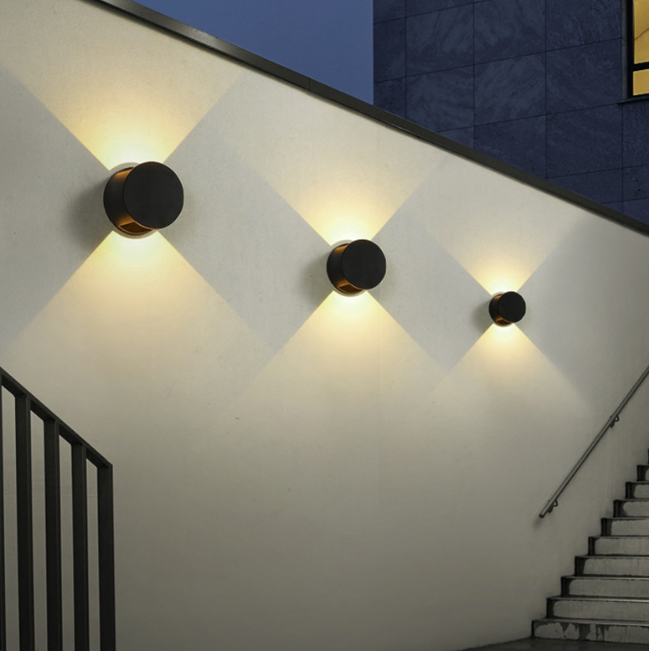
| Wall Lights | Design-led; finish and shape set your range apart |
| Pendant Lights | Strong visual impact; socket-based models reduce compliance complexity |
| Table Lights | Good for gift and e-commerce; needs correct plug per country |
| Spot Lights & Downlights | Project and trade customers; repeat orders in standard sizes |
| Ceiling Fan Lights | Seasonal demand in southern Europe; check motor compliance carefully |
06 · A Quick Briefing Checklist for Your Supplier
- Target countries, so plugs, language, and voltage are set correctly
- Customization level (1–4) and whether the model must be exclusive
- Branding files: logo, carton artwork, manual, and barcode or EAN requirements
- Compliance documents you need: CE declaration, RoHS, test reports, energy data for light sources
- Sample approval before mass production, plus a pre-shipment inspection
07 · Final Takeaway
Done well, Private Label Lighting turns a commodity category into a branded range with its own margin. The retailers who succeed treat compliance and specification as part of the product from the first brief, not as paperwork after the goods land. Choose a supplier who shares test reports upfront, confirms exclusivity in writing, and can match your range across ceiling, wall, pendant, and table lights.
Planning a Private Label Lighting range for Europe?
Tell us your target countries, categories, and branding level, and we will propose models, samples, and a compliance document list.
Browse All Products →