2026 lighting design trends for boutique hotels
From sculptural pendants to layered warm-dim scenes — the lighting choices boutique hotels are using in 2026 to make guest photos, and guest experience, feel more premium.
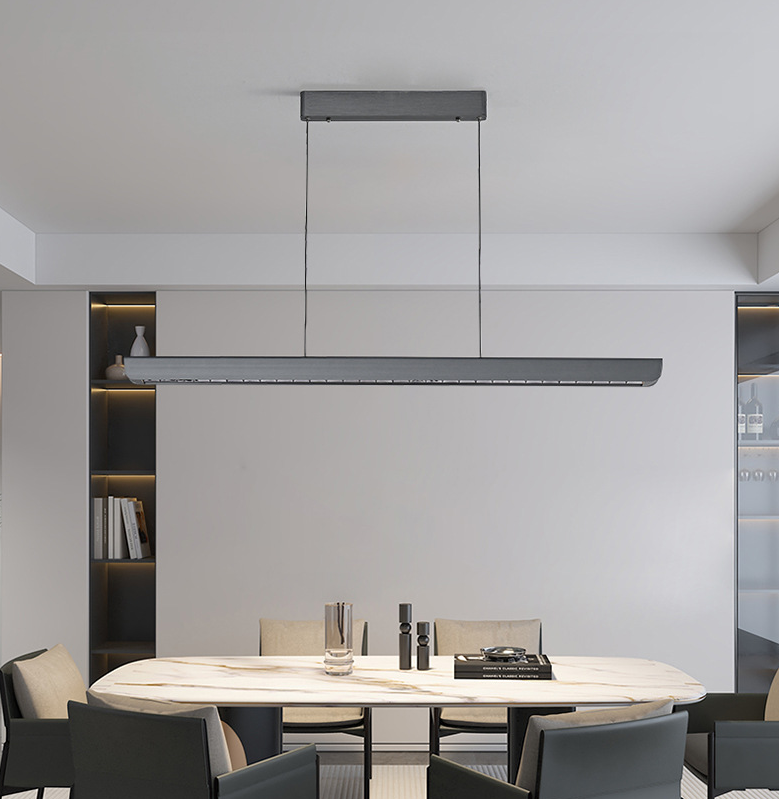
Product photo from Home Glow Lamps — Modern Linear LED Pendant Light
Lighting has quietly become one of the top drivers of how a boutique hotel photographs, and how it feels the moment a guest walks in. As 2026 lighting design trends for boutique hotels move further from generic recessed downlights toward layered, sculptural, and warm-dim setups, procurement teams are being asked for fixtures that do more than just illuminate a room — they set the mood the brand is built on.
This shift is being driven by three things happening at once in the boutique hotel segment. First, guests now discover properties primarily through photos — Instagram, Google listings, and OTA galleries — so a room or lobby that photographs as flat and generic loses bookings before a guest ever checks in. Second, renovation budgets in the boutique and independent segment are smaller than at flagged chains, which means owners want fixtures that do more design work per dollar rather than large architectural builds. Third, guests increasingly expect the kind of layered, residential-feeling lighting they have at home, not the uniform brightness of a conference hotel.
For procurement and design teams, that means the lighting brief has changed. It’s no longer just “how many lumens per square meter” — it’s finish, dimming behavior, and how a fixture reads in a photo. Here are the seven trends showing up most often in new boutique hotel builds and renovations this year, what’s driving each one, and what to check when sourcing.
01
Sculptural pendants as the room’s focal point
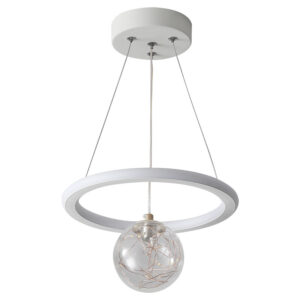
Instead of symmetrical rows of downlights, more properties are hanging a single oversized or clustered pendant as the visual anchor of a lobby, restaurant, or staircase. Ring and organic forms in warm brass, matte black, or brushed bronze are the most requested finishes for 2026 openings.
The shift is partly practical: a single statement pendant is often cheaper to install than a full grid of recessed downlights, since it needs one ceiling junction rather than several. It’s also the fixture most likely to appear in a guest’s arrival photo, so hotels are treating it as a branding investment rather than a pure lighting line item. Clustered arrangements — three or five pendants at staggered heights over a reception desk or bar — are especially common for 2026 openings, since they read as more custom than a single symmetrical fixture without the cost of a bespoke installation.
02
Warm-dim, layered lighting over flat brightness
Rather than one bright ceiling layer, boutique hotels are stacking three zones in the same room: ambient (ceiling), task (table and reading lamps), and accent (wall washes or cove lighting). Warm-dim LEDs — which shift toward candle-like tones as they dim — are replacing fixed-color-temperature fixtures in guest rooms and restaurants specifically because they photograph and feel warmer at low brightness, mimicking incandescent and candlelight.
A flat, single-layer ceiling grid is now considered a budget-hotel signal rather than a design choice, even in smaller boutique rooms. The layered approach doesn’t necessarily mean more fixtures overall — often it means redistributing the same fixture count so that a portion of the lighting sits at eye level (table lamps, wall sconces) instead of everything coming from directly overhead. This is also why table lamps and wall lights are increasingly speced with warm-dim or at least a fixed warm color temperature (2700K or lower), even in budget-conscious projects, since mismatched color temperatures between layers is one of the most common complaints from hotel designers reviewing a finished room.
| Layer | Typical fixtures | Purpose |
|---|---|---|
| Ambient | LED ceiling lights, recessed downlights | Overall room brightness |
| Task | Table lamps, reading wall lights | Function — reading, dining, grooming |
| Accent | Pendant lights, wall washes, cove LED strips | Mood, focal points, texture on walls/art |
03
Mixed metal finishes, not matched sets
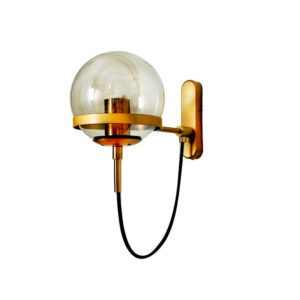
The perfectly matched fixture set is giving way to intentionally mixed finishes — a brass pendant, a matte black wall sconce, and a bronze table lamp in the same room. Buyers are asking suppliers for finish flexibility within a single product line rather than one finish per SKU, so the same base fixture can be ordered in two or three finishes for one project.
From a sourcing standpoint, this trend has a real operational implication: it pushes buyers toward suppliers who can offer the same base fixture body across several finish options without a large minimum order per finish. A property doing 40 guest rooms might want 15 units in matte black and 25 in brushed brass from the same wall light SKU, rather than committing to 40 units in one finish. Wholesale partners who can support split-finish orders at the same MOQ tend to win these projects over suppliers who require a separate minimum for each color option.
04
Slim, low-profile ceiling fans replacing standalone lights
In warmer-climate boutique properties and rentals, slim ceiling fan lights with integrated LED and remote dimming are increasingly specified in place of a plain ceiling light, especially where retrofitting into an existing ceiling void isn’t possible. They double as a design feature and a comfort feature without needing extra wiring for a separate light fixture.
This matters most for conversion projects — historic buildings, converted apartments, and short-term rental portfolios — where there’s often no ceiling void to run new wiring or house a bulky traditional fan motor. The current generation of low-profile fan lights sits close to the ceiling, comes in the same finish families as pendant and wall lighting, and pairs a DC motor with a warm-dim LED module so it doesn’t clash with the rest of the room’s lighting layer. For properties in humid or coastal locations, this is also increasingly paired with a request for moisture-resistant components, since these fans often run for both comfort and light duty simultaneously.
05
Outdoor and solar accent lighting for terraces and gardens
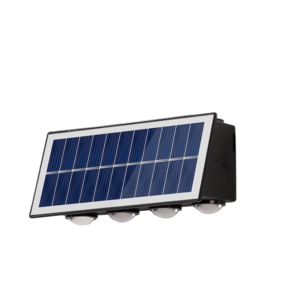
Terraces, rooftop bars, and garden paths are getting the same layered treatment as interiors — with solar-powered wall and path lights reducing the need for new wiring runs in outdoor renovations. This trend lines up with broader guest interest in properties that visibly invest in energy-efficient, lower-impact design.
Solar fixtures also solve a practical renovation problem: trenching new electrical runs across a finished garden or stone terrace is expensive and disruptive to ongoing operations, since it usually means closing part of the outdoor space during peak season. Solar path and wall lights sidestep that entirely, which is why they’re showing up not just at budget-conscious properties but at higher-end boutique resorts doing phased outdoor renovations without shutting down guest access to the grounds.
06
Dimmable, scene-ready fixtures as a baseline requirement
Dimmability has shifted from a premium add-on to a baseline spec. Property teams increasingly ask for pendant, wall, and downlight fixtures that support smooth dimming out of the box, so lobbies and restaurants can shift from bright daytime service to a dimmer evening scene without swapping fixtures.
The practical driver here is operating cost as much as ambience: a lobby that can dim down for evening service uses less energy than one running at full daytime brightness around the clock, and a single dimmable fixture line removes the need to stock two versions of the same product (dimmable and non-dimmable) for different areas of a property. Buyers are also increasingly asking whether a fixture is compatible with standard leading-edge and trailing-edge dimmers used in their market, rather than requiring a proprietary dimming system — since proprietary systems add cost and complicate maintenance for hotel engineering teams down the line.
07
Frequently asked questions
Do these trends apply to full-service hotels, or just small boutique properties?
Most of them scale — layered lighting, warm-dim LEDs, and dimmable fixtures are being adopted at larger independent and lifestyle-branded hotels too. The main difference is scale of installation and finish customization, which boutique properties can move on faster since they typically involve fewer rooms and a single design vision.
Are warm-dim LEDs more expensive than standard LEDs?
Warm-dim fixtures typically cost somewhat more per unit than fixed-color-temperature LEDs of similar quality, but the price gap has narrowed significantly as more manufacturers add the feature as standard on mid-tier product lines rather than only premium ones.
What’s the easiest trend to start with on a limited renovation budget?
Swapping table lamps and a lobby pendant for warmer, dimmable versions is usually the lowest-cost, highest-visible-impact change, since it doesn’t require new wiring and directly affects both guest photos and evening ambience.
08
What to check when sourcing 2026-style fixtures
Translating these trends into a purchase order comes down to a short list of specs worth confirming with any supplier before placing a bulk order:
- Warm-dim capability (2700K–2200K dim-to-warm) for guest rooms and restaurants
- Finish options within the same base fixture (brass, matte black, bronze)
- Dimmer compatibility confirmed for your market’s standard dimmer types
- IP-rated options for terrace, garden, and rooftop fixtures
- Slim-profile ceiling fan lights for retrofit projects without ceiling voids
Working through this list before finalizing a design brief tends to save procurement teams a round of change orders later, since finish and dimmer compatibility are the two specs most often discovered too late in a project.
09
Bringing it together
None of these seven trends require a full architectural lighting redesign to apply. Most boutique hotels adopting them in 2026 are doing it fixture by fixture — a new lobby pendant this quarter, warmer table lamps in the next room refresh, solar path lights before the next outdoor season. The properties getting the most out of the shift are the ones treating lighting as part of the brand experience from the start of a project, rather than a line item added after the interior design is finished, so finish, dimming, and layering decisions get made alongside furniture and finishes rather than around them.
Sourcing fixtures for a 2026 hotel project?
Home Glow Lamps supplies wholesale pendant, wall, ceiling fan, and solar accent lighting in multiple finishes for hospitality projects — with bulk lead times and design support.
Request wholesale pricing